Teacher Door Corner Laser Cut School
The modern classroom environment has evolved significantly, moving beyond traditional chalkboards and static posters to embrace personalized, interactive, and aesthetically cohesive spaces. For educators, particularly those in elementary and middle school settings, the door frame serves as a critical first impression—a boundary that signals the transition from the chaotic hallway to a structured learning community. In this context, Teacher Door Corner Laser Cut School assets have emerged as a practical solution for creating professional-grade decor without the prohibitive cost of custom fabrication. This digital resource targets the intersection of woodworking, educational design, and personalization, offering creators a versatile toolkit for enhancing classroom identity.
At its core, this product is not merely a decorative item but a comprehensive digital package designed for CNC routers, laser cutters, and vinyl plotters. It addresses a specific need: the desire for high-quality, layered wood signage that can be customized by the teacher or a supportive parent volunteer. The availability of multiple file formats ensures compatibility with a wide range of software ecosystems, making it accessible to both seasoned woodworkers and beginners who are just starting to explore digital fabrication tools. By providing vector-based designs alongside raster images, the asset supports various production methods, from intricate laser engraving to bold cutting operations.
Technical Specifications and File Compatibility
One of the primary strengths of this digital download lies in its technical flexibility. The inclusion of a zip archive containing SVG, EPS, PNG, PDF, and DXF files covers the vast majority of use cases in small-scale manufacturing and DIY projects. Each format serves a distinct purpose in the workflow:
- SVG (Scalable Vector Graphics): Ideal for laser cutters and vinyl plotters. SVGs maintain crisp edges at any scale, allowing users to resize the door topper to fit various door dimensions without losing quality. This is particularly useful for teachers who may need to adjust the design for different classroom layouts.
- DXF (Drawing Exchange Format): A standard format for CAD software and CNC routing machines. This ensures that the design can be translated into toolpaths for precise cutting on materials like plywood, MDF, or acrylic.
- EPS (Encapsulated PostScript): Compatible with professional graphic design software such as Adobe Illustrator. This allows for advanced editing, color separation, and integration into larger design projects.
- PNG (Portable Network Graphics): Provides a raster image with a transparent background. While less flexible than vectors, PNGs are essential for quick visualizations, mockups, or if the user intends to use a printing service rather than fabricating the sign themselves.
- PDF (Portable Document Format): Useful for sharing the design with others or for printing physical templates that can be traced onto wood before cutting.
This multi-format approach reduces friction in the production process. Users do not need to convert files manually, which can introduce errors or degrade image quality. Instead, they can select the file type that best matches their machine’s requirements. However, it is crucial for buyers to verify that their cutting machine and software are compatible with these specific formats. Older machines or proprietary software suites may require additional plugins or conversion steps, which could pose a barrier for novice users.
Design Functionality and Customization Potential
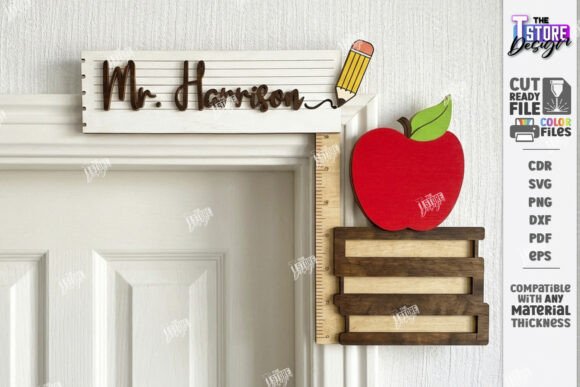
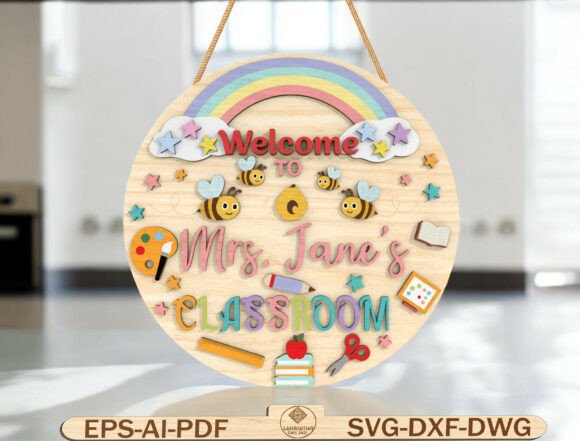
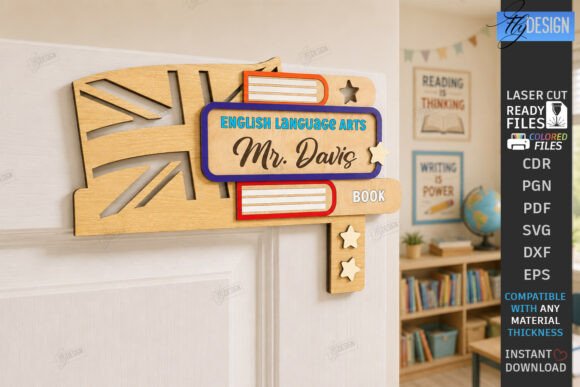
The design itself is structured around the concept of a "layered wood classroom sign." This implies a depth effect, where different elements of the design—such as the subject name, decorative borders, and corner accents—are cut from separate pieces of material and stacked to create a three-dimensional appearance. This technique adds visual interest and professionalism that flat decals cannot achieve.
The prompt specifies a clear operational guide: "RED line – CUT BLACK line – ENGRAVE." This color-coding system is a best practice in digital fabrication. It allows the operator to quickly identify which parts of the design should be severed completely from the substrate and which should be etched into the surface. For example, the outer border might be cut out, while the inner text or decorative motifs are engraved. This dual-action capability maximizes the utility of a single sheet of material, reducing waste and labor time.
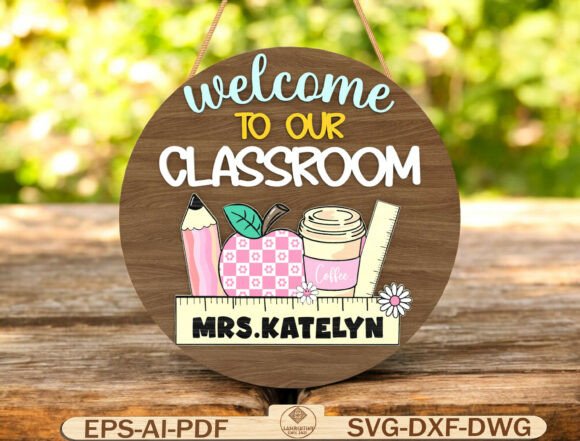
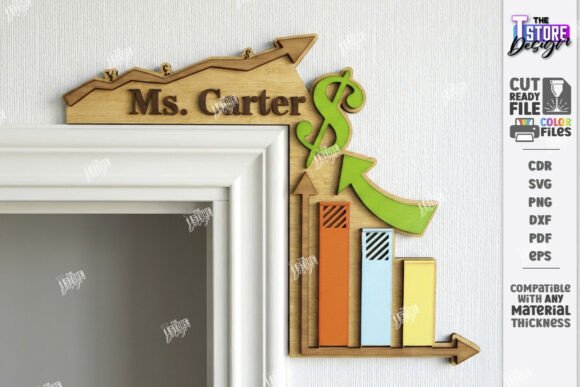
Furthermore, the mention of "Personalized Classroom Door Frame Decor" and "Classroom Subject Name Plate Patterns" suggests that the design is modular. Teachers can modify the text layers to reflect their specific subjects—History, Art, Math, Science—or even their own names. This adaptability is a significant value proposition. Unlike pre-made signs purchased from big-box retailers, this digital asset allows for infinite variation. A math teacher can emphasize geometric shapes, while an art teacher might choose more organic curves, all within the same structural framework.
Practical Application in Educational Settings
Why does this matter for educators? The back-to-school season is notoriously busy. Teachers spend countless hours organizing curriculum, setting up routines, and decorating classrooms to foster a welcoming atmosphere. Pre-made decor is often expensive, generic, and difficult to find in specific themes. Teacher Door Corner Laser Cut School offers a cost-effective alternative. By purchasing a digital file once, a teacher can produce multiple iterations or share the file with a PTA group for bulk production.
The target audience includes not only teachers but also entrepreneurs and hobbyists who specialize in custom classroom goods. For these individuals, this asset represents a scalable product line. They can purchase the license, create unique variations for different schools or grade levels, and sell the physical products on platforms like Etsy or at local craft fairs. The low overhead of digital downloads means higher profit margins compared to sourcing inventory from wholesalers.
For serious hobbyists and makers, this project serves as an excellent entry point into CNC routing and laser cutting. The complexity is moderate—it requires precision but does not demand advanced engineering skills. It allows users to experiment with different wood types, finishes, and layering techniques. A well-executed door topper can become a centerpiece of the classroom, sparking conversations about creativity and craftsmanship among students.
Evaluating Quality and Long-Term Value
When assessing digital assets for fabrication, several factors determine long-term value. First is the resolution and accuracy of the vector paths. Poorly constructed nodes in an SVG can lead to jagged cuts or machine errors. Reputable sellers typically provide clean, optimized paths, though buyers should always inspect the file in their software before sending it to the machine. Second is the durability of the final product. Wood signs, when properly sealed with varnish or polyurethane, can withstand daily wear and tear, including accidental bumps from backpacks or cleaning supplies. Unlike paper posters that fade or peel, a laser-cut wooden sign retains its integrity for years.
However, there are limitations to consider. The success of the project depends heavily on the user’s equipment and skill level. A beginner with a poorly calibrated laser cutter may struggle with the fine details required for engraving. Similarly, the thickness of the wood must be accounted for in the design; if the layers are too thick, the overall depth may exceed the available space on the door frame. Buyers should measure their door frames carefully before attempting production. Additionally, while the seller offers support for other file types or sizes, this is an extra step that may delay the project. It is advisable to check if the existing formats meet your needs before purchasing.
Who Should Consider This Resource?
This digital download is most beneficial for:
- Hands-On Educators: Teachers who enjoy crafting their own classroom materials and want a unique, professional look.
- Small Business Owners: Entrepreneurs looking to add classroom decor to their product offerings without holding physical inventory.
- Woodworking Enthusiasts: Hobbyists seeking manageable projects that yield functional and decorative results.
- Parent Volunteers: Parents with access to workshop tools who wish to contribute meaningfully to their child’s school environment.
It is less suitable for those who lack access to cutting machinery or who prefer ready-to-hang solutions without assembly. In such cases, purchasing a pre-made sign from a retailer would be more efficient.
Final Recommendations
The Teacher Door Corner Laser Cut School template represents a smart investment for anyone involved in educational design or small-scale manufacturing. Its strength lies in its versatility, offering multiple file formats and a customizable design structure that adapts to various subjects and styles. By leveraging the capabilities of laser cutters and CNC routers, users can produce durable, high-impact decor that enhances the learning environment.
To get the best results, start by testing the design on scrap material to calibrate your machine’s speed and power settings. Pay close attention to the red and black line distinctions to ensure accurate cutting and engraving. If you encounter compatibility issues, reach out to the seller for assistance—they offer support for alternative file types and sizes, which can resolve potential bottlenecks. Ultimately, this asset empowers educators and makers to take control of their classroom aesthetics, transforming standard door frames into personalized showcases of subject matter and creative expression. As back-to-school seasons approach, having a reliable, reusable digital file can save time and money while delivering a polished, professional finish.