Tropical Mood: Elevating Visual Communication with Elegant Typography
In the realm of graphic design and digital content creation, typography is rarely just about readability; it is about setting a tone. It is the visual voice of a brand or a project. When designers seek to convey warmth, relaxation, sophistication, or festive cheer simultaneously, they often turn to typefaces that bridge the gap between casual comfort and refined elegance. One such font that has garnered attention for its unique ability to balance these elements is Tropical Mood. This article explores what makes this typeface distinct, how its specific features serve various creative needs, and why it might be the right choice for your next project.
Understanding the Essence of Tropical Mood
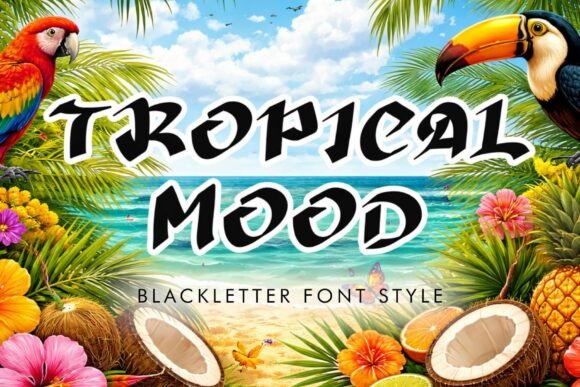
The name "Tropical Mood" suggests an immediate association with sunshine, beaches, and leisure. However, the reality of the font’s design is far more nuanced. Unlike many display fonts that lean heavily into cartoonish or overly rustic aesthetics, Tropical Mood offers a polished, elegant appearance. It is designed to be a versatile tool for creators who want to evoke the feeling of a vacation without sacrificing professional integrity.
At its core, this font is a display font. Display fonts are intended for use at large sizes—headlines, posters, banners, and logos—rather than for long-form body text. They are meant to grab attention and communicate a mood instantly. Tropical Mood achieves this by combining smooth curves with clean lines, creating a look that feels both inviting and high-end. Whether you are designing a menu for a beachside café or a social media graphic for a summer sale, the font provides a visual anchor that feels intentional and curated.
Key Features and Technical Capabilities
When evaluating a typeface for commercial or personal projects, functionality is just as important as aesthetics. Tropical Mood stands out not only for its style but also for its comprehensive character set and multilingual support. Understanding these technical aspects can help designers maximize the font's potential.
Complete Character Set
A common frustration for designers is finding a beautiful font that lacks essential symbols or numbers. Tropical Mood addresses this by including:
- Uppercase and Lowercase Letters: The dual-case structure allows for greater typographic hierarchy in headlines. Designers can mix cases to create dynamic layouts that guide the viewer’s eye.
- Numerals: Fully integrated numbers ensure that pricing, dates, and statistics blend seamlessly with the text, maintaining visual consistency.
- Punctuation and Symbols: Properly styled punctuation marks prevent awkward spacing issues and ensure that sentences flow naturally, even when the font is scaled up significantly.
Multilingual Support
In an increasingly globalized digital landscape, reaching a diverse audience is crucial. Many decorative fonts are limited to basic Latin characters, making them unsuitable for international campaigns. Tropical Mood offers multilingual support, allowing creators to use the same aesthetic across different languages. This is particularly valuable for brands operating in Europe, Asia, or other regions where non-Latin scripts are prevalent, ensuring that the "tropical" vibe remains consistent regardless of the language used.
Versatility Across Seasons and Occasions
One of the most compelling arguments for using Tropical Mood is its seasonal adaptability. While the name implies summer, the font’s elegant nature allows it to transcend typical seasonal boundaries. It is not locked into a single theme; rather, it adapts to the context in which it is placed.
Summer and Vacation Themes
As expected, the font shines during the warmer months. It is perfect for:
- Travel Agencies: Creating banners for flight deals or hotel packages.
- Hospitality Industry: Menu covers, room key cards, and welcome signs for resorts.
- Festival Promotions: Posters for music festivals, beach parties, or outdoor concerts.
Holiday and Event Specific Designs
Beyond summer, Tropical Mood proves its worth during major holidays and special events. Its flexibility allows it to fit into:
- Easter and Spring: The fresh, airy feel of the font aligns well with themes of renewal and growth.
- Christmas and Winter Holidays: When paired with rich colors like deep red or gold, the font takes on a sophisticated holiday charm, suitable for greeting cards and gift tags.
- Halloween: While not inherently spooky, the font can be stylized with dark backgrounds and orange accents to create a chic, modern Halloween invitation.
- Back to School: For educational branding that wants to appear friendly yet structured, the font offers a balanced approach.
Practical Applications for Professionals and Creators
Who benefits most from incorporating Tropical Mood into their workflow? The answer spans a wide range of professionals, from solo entrepreneurs to established marketing teams.
Brand Identity and Logo Design
For small businesses, especially those in the lifestyle, travel, or food sectors, establishing a memorable identity is critical. Using Tropical Mood in a logo can instantly communicate a brand’s personality. Imagine a boutique clothing line focused on resort wear or a artisanal coffee shop specializing in cold brews. The font adds a layer of perceived value, suggesting that the product is not just functional but an experience.
Digital Marketing and Social Media
In the fast-paced world of social media, images must stop the scroll. Text overlays on Instagram posts, Facebook ads, and Pinterest pins benefit greatly from strong display fonts. Tropical Mood ensures that promotional messages are legible and attractive even at smaller sizes on mobile devices. Its clear letterforms prevent clutter, making call-to-action buttons stand out more effectively.
Print Collateral
Despite the dominance of digital media, print materials remain powerful tools for engagement. Flyers, brochures, business cards, and packaging all serve as tangible touchpoints for customers. A well-designed package using Tropical Mood can enhance unboxing experiences, making products feel more premium. For event planners, invitations printed with this font set the tone for the occasion before the guest even arrives.
Evaluating Suitability: Strengths and Considerations
While Tropical Mood is a powerful asset, it is not a one-size-fits-all solution. Understanding its limitations helps designers make informed decisions.
Strengths
The primary strength of this font is its elegance combined with accessibility. It avoids the pitfalls of overly ornate fonts that become difficult to read. It is also highly adaptable, working well in both monochrome and colorful designs. Its multilingual support reduces the need to search for alternative fonts when expanding into new markets, saving time and maintaining brand consistency.
Considerations and Limitations
As a display font, Tropical Mood should not be used for body text. Attempting to set paragraphs in this typeface will result in poor readability and visual fatigue. Designers should reserve it for headlines, titles, and short phrases. Additionally, because it has a distinct "mood," it may not be suitable for corporate environments requiring strict neutrality, such as legal documents or technical manuals. In these contexts, a more neutral sans-serif or serif font would be more appropriate.
Conclusion
Selecting the right typography is a strategic decision that impacts how your message is received. Tropical Mood offers a unique blend of summer-inspired warmth and refined elegance, making it a valuable addition to any designer’s toolkit. Its comprehensive character set, multilingual capabilities, and versatility across seasons and industries make it a practical choice for a wide array of projects.
Whether you are launching a new brand, planning a seasonal campaign, or simply looking to add a touch of sophistication to your social media graphics, considering Tropical Mood is a smart move. By understanding its strengths and applying it thoughtfully, creators can produce work that is not only visually appealing but also effective in communicating the desired emotional response. In a crowded digital landscape, giving your audience the right "mood" can make all the difference.