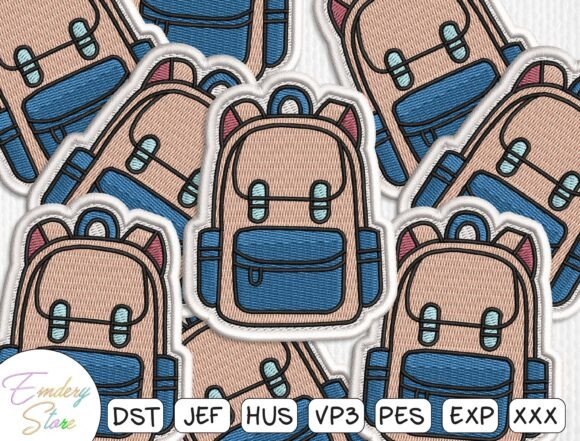
Evaluating the Cute Student Bag Patch Embroidery File for Personalized School Accessories
The return to school season presents a unique opportunity for crafters, educators, and parents to engage in meaningful DIY projects. Among the various embroidery designs available, the Cute Student Bag Patch Embroidery File has emerged as a popular choice for creating personalized accessories. This specific design focuses on a modern, clean aesthetic that translates well into physical patches, offering a versatile solution for customizing backpacks, lunch bags, and pencil cases. Understanding the technical specifications, application methods, and comparative advantages of this file format is essential for anyone looking to produce high-quality embroidered goods.
Understanding the Design Specifications
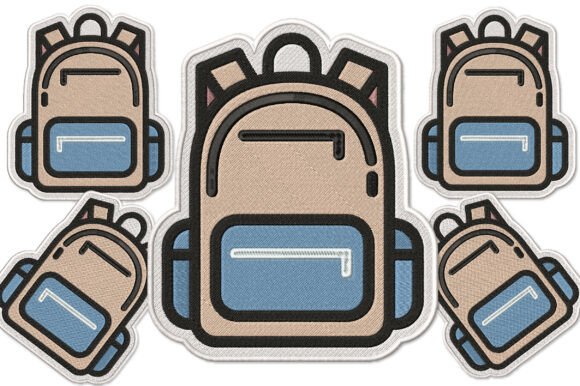
At its core, the Cute Student Bag Patch Embroidery File is a digital pattern designed to replicate a stylized backpack. Unlike complex scenic embroidery that requires large hoops and extensive stitching time, this design prioritizes efficiency and clarity. The visual language of the patch relies on clean lines and soft colors, bordered by a neat satin stitch. This border is not merely decorative; it serves a functional purpose in patch-making by providing a defined edge that prevents fraying and gives the final product a professional, finished look.
The design features balanced colors and clear details, ensuring that even at smaller scales, the image remains recognizable. This is particularly important for small to medium hoop sizes, which are standard for many home embroidery machines. The emphasis on smooth, high-quality stitching means that the file is optimized to reduce thread breaks and tension issues, making it accessible for both novice users and experienced embroiderers who value consistency.
File Format Compatibility and Versatility
One of the most significant advantages of this particular embroidery file is its multi-format availability. It is distributed in a wide range of industry-standard formats, including DST, PES, JEF, EXP, VP3, HUS, and XXX. This broad compatibility ensures that users with different types of embroidery machines can utilize the design without needing to convert files, which can sometimes introduce errors or alter the stitch quality.
- DST (Tajima): Widely used in industrial settings but also supported by many consumer machines.
- PES (Brother/Babylock): A common format for home embroidery enthusiasts.
- JEF (Janome): Specifically tailored for Janome machine users.
- VP3 (Husqvarna Viking): Ensures seamless integration for Viking owners.
- HUS (Husqvarna) & XXX: Additional options for broader machine support.
This level of inclusivity makes the Cute Student Bag Patch Embroidery File a practical resource for those who may share machines within a family or community group, or for sellers who service a diverse clientele. It eliminates the barrier of entry related to specific brand ecosystems, allowing the focus to remain on the creative output rather than technical limitations.
Comparing Patch-Style Designs to Direct Embroidery
When considering how to apply this design, it is helpful to compare two primary approaches: direct embroidery onto the garment versus creating a separate patch and applying it later. The Cute Student Bag Patch Embroidery File is explicitly structured for the latter method, though it can be adapted for the former with additional steps.
The Case for Separate Patches
Creating a separate patch offers several distinct benefits over direct embroidery. First, it allows for greater flexibility in material selection. When embroidering directly onto a nylon backpack or a polyester lunch bag, users often face challenges with fabric stability, puckering, or needle damage to the underlying material. By embroidering the design on a stable backing such as tear-away stabilizer or felt, and then cutting out the shape, the crafter avoids these issues entirely.
Furthermore, patch-style application enables reusability. A teacher or student can move the same cute backpack patch from one bag to another, or attach it to a hat, tote, or journal. This adaptability increases the perceived value of the item, transforming a simple accessory into a customizable piece of personal expression. For handmade shop items, this versatility can be a strong selling point, as customers appreciate the ability to personalize their purchases.
Tradeoffs and Limitations
However, the patch method does come with tradeoffs. It requires an additional step of sewing or ironing the patch onto the final product. While iron-on adhesives provide a quick bond, they may not withstand heavy washing or rigorous use as effectively as sewn edges. Therefore, for items that will undergo frequent laundering, such as school uniforms or heavily used lunch boxes, a secure hand-sewn or machine-sewn attachment is recommended. Additionally, the process of cutting out the satin stitch border requires precision to maintain the integrity of the design’s shape.
Ideal Use Cases and Target Audiences
The versatility of the Cute Student Bag Patch Embroidery File makes it suitable for a variety of scenarios. Identifying the best-fit situation helps users determine if this design aligns with their specific needs.
Back-to-School Projects and Kids’ Accessories
For parents and guardians, this design offers a charming way to personalize children’s belongings. In environments where multiple students have similar black or navy backpacks, adding a colorful, embroidered patch helps identify ownership quickly. The modern style appeals to older children and teenagers who might find overly childish motifs less desirable, while still maintaining a playful aesthetic appropriate for school settings.
Educational Gifts and Classroom Rewards
Teachers often seek unique ways to reward students or celebrate milestones. Handmade patches featuring this design can serve as tangible incentives. Because the design is relatively quick to stitch compared to larger, more intricate scenes, teachers can produce multiple patches efficiently. These can be attached to pencils, notebooks, or small pouches, providing a durable and encouraging token of achievement.
Handmade Shop Inventory
For artisans selling on platforms like Etsy or at local craft fairs, this design provides a reliable stock option. The universal appeal of a backpack motif, combined with the high demand for personalized school supplies, creates a viable product category. Sellers can offer customization options, such as varying thread colors to match team sports jerseys or school mascots, thereby expanding the market reach of a single digital file.
Evaluating Alternatives and Decision Factors
While the Cute Student Bag Patch Embroidery File is a strong candidate for many projects, it is not the only option available. Consumers should evaluate other styles based on their specific goals. For instance, if the goal is to create a large-scale statement piece on a jacket, a full-frontal scenic embroidery design might be more appropriate than a small patch. Conversely, if the objective is to create subtle branding on a uniform polo shirt, a minimalist logo design would be more suitable.
Another consideration is the complexity of the design. Some embroidery files include extensive fill stitches that require long run times and significant thread usage. The backpack patch design, with its focus on outlines and simple fills, offers a cost-effective alternative in terms of both time and materials. For hobbyists working on tight budgets or those with limited machine time, this efficiency is a significant advantage.
Additionally, users should consider the durability requirements of the end product. If the item will be subjected to harsh conditions, such as outdoor camping gear or workwear, the choice of thread and backing becomes critical. While the design itself is robust, the longevity of the patch depends heavily on the quality of the materials used during the assembly process. High-quality polyester threads and sturdy backings will ensure that the patch remains intact through years of use.
Conclusion
The Cute Student Bag Patch Embroidery File represents a thoughtful intersection of aesthetic appeal and technical practicality. Its multi-format support, efficient stitch count, and patch-friendly structure make it a valuable asset for a wide range of users. Whether used for personal school preparations, classroom rewards, or commercial handmade goods, this design offers a reliable way to add a touch of personality to everyday items. By understanding its strengths in versatility and ease of use, as well as its limitations regarding attachment methods, users can make informed decisions that result in high-quality, durable, and visually pleasing outcomes.